
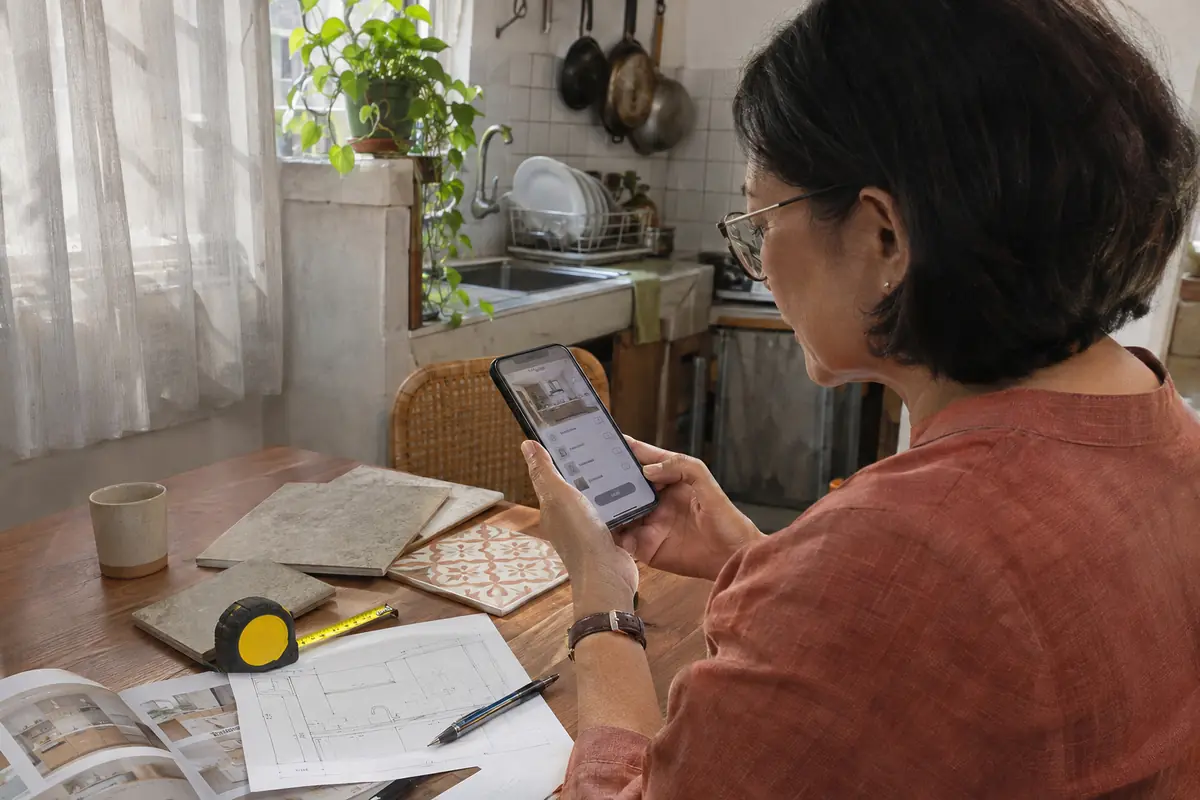
For residents of Jambi, a loan app for online financing options is a mobile service that links people in this Sumatran provincial capital with lenders that can approve and disburse credit remotely. It brings together OJK-licensed peer-to-peer platforms, bank apps, pawn and gold instalment services and pay-later wallets. Plantation traders, smallholder families who shop in the city, civil servants, students and shop owners use these tools, provided their identity, phone number and bank account match and can be verified without a branch visit.
A Sumatran capital shaped by commodities
Jambi lies on the Batanghari river, the longest in Sumatra, and serves as the capital of the province of the same name. The latest BPS census counts about 0.6 million residents. The city is a service and trading hub for a hinterland of rubber and oil palm plantations, coal and oil and gas activity, so prices for these commodities ripple through household income.
The Muaro Jambi temple complex, one of the largest ancient temple sites in Southeast Asia, lies upstream and draws visitors, and Jambi University and other colleges add a student population. Traders in batik and crafts complete a varied local economy.
Flooding along the river and smoke from peatland fires in dry years sometimes disrupt trade and travel, a reminder that household budgets here need a cushion.
Many residents also have family ties to villages upstream, so money often moves between city and countryside through bank transfers and e-wallets, which gives lenders a way to see payment activity.
Who borrows and why
Borrower profiles reflect the commodity cycle.
- Smallholder families and plantation workers who visit the city to buy supplies and sell produce, and whose income rises and falls with rubber and palm prices.
- Shop owners and wholesalers in the old market area, who finance stock between harvest payments.
- Employees of provincial agencies, banks and energy contractors with regular salaries.
- Students who finance laptops, rent and tuition instalments.
When commodity prices are weak, even salaried families feel the pinch through reduced business, so demand for small, fast credit increases at precisely the wrong time.
Informal networks such as savings circles and village cooperatives remain common, and they often supply a first small loan before anyone turns to an app.
Bank Jambi and other regulated providers
Bank Jambi is the regional development bank of the province, and the city is home to its head office. National banks including BRI, BNI and Mandiri also compete, with BRI particularly strong in rural lending through KUR. Pegadaian outlets offer pawn loans and gold instalments, which suit households that hold jewellery as savings.
OJK has a regional office covering the province and handles consumer education and complaints. Bank Indonesia's representative office follows the payment system, including QRIS use among market vendors.
Bank staff can explain eligibility for KUR, including the sectors covered and typical documents such as identity card, family card and a business permit or village letter.
Typical uses of app credit in the city
When rubber prices dip, smallholders and traders sometimes borrow to cover household costs while waiting for a better price. Shopkeepers use short loans to buy stock before school terms and religious holidays. Students use small digital loans for devices and fees, and young families borrow for motorbikes, which are the main mode of transport.
Borrowing against an expected harvest payment should be handled carefully: if the price is lower than expected, repayment will be tight and extra fees may follow.
Travel to Muaro Jambi and craft sales to visitors give some households seasonal income as well, and they sometimes borrow to prepare inventory before holiday weekends.
Households with members working abroad or in other provinces sometimes receive remittances, and these steady inflows can be shown as supporting evidence of repayment capacity when applying.
How to test an app before trusting it
The register
Search for the operator on the OJK list of licensed lenders. A match in name, operator and website is essential.
The agreement
Read the total cost, tenor, fees and penalty clauses in full. A lender that hides these should be avoided.
The permissions
Decline access to contacts and gallery, and never send your identity card photo to anyone who contacts you by chat promising approval.
Reading the privacy policy takes minutes and shows which data the operator collects, how long it keeps it and whom it shares it with.
Managing costs when income is seasonal
Match the tenor to the income cycle. A loan that falls due before the next harvest or sales peak creates pressure, and a loan that runs well beyond it may carry unnecessary cost. Ask for the total repayment in rupiah, the daily or monthly fee and the late charge.
Where possible, keep a small reserve for bad months and avoid refinancing a loan with another app, because repeated fees add up quickly and the debt can grow beyond the original need.
Compare at least three offers, one of them from a bank, because the cheapest looking instalment is not always the lowest total cost.
Write down every due date in one calendar so that overlapping instalments from different lenders never fall on the same week without a plan.
Risks, rights and where to complain
Illegal lenders target rural and semi-urban households with messages about easy loans, then use personal data to harass borrowers. Genuine lenders collect only in accordance with rules that prohibit threats and public shaming.
- Report licensed-lender misconduct to OJK on 157 or through WhatsApp.
- Alert the national task force about illegal apps and investment scams.
- Seek help from the police if you are threatened.
Saving screenshots, receipts and chat records speeds up any investigation.
Rural relatives who visit the city should be warned too, as scammers frequently target older people with links sent through messaging apps.
Alternatives to consider first
Smallholders and traders can ask about KUR at Bank Jambi or BRI, join a farmers' or traders' cooperative, or use gold as collateral at Pegadaian. These options typically cost less and fit seasonal income better than a short app loan, though they require more paperwork.
A realistic budget written on paper before any borrowing makes every alternative easier to judge.
Frequently asked questions
Can plantation smallholders in Jambi use loan apps?
Many can, if they have an identity card, phone number and bank account or e-wallet. Platforms may accept proof such as sales receipts, though limits are small at first.
Is Bank Jambi the only regional lender?
It is the regional development bank of the province, but national banks, cooperatives and licensed fintech platforms also lend in the city.
How does gold-backed borrowing compare with an app?
A gold-backed loan from a pawn company usually carries lower cost than an unsecured app loan, but the gold is held until you repay, and unpaid loans can lead to its sale.
What if I cannot repay on time?
Contact the lender before the due date to ask for restructuring, keep written proof, and do not borrow elsewhere merely to cover the instalment.
Do commodity price falls affect loan approval?
Not directly, but they can reduce your documented income. Lenders assess cash flow, so lower sales receipts may mean a smaller limit or a refusal.
Further reading
- Pegadaian - gold pawn and instalment services (Indonesian site) : The state pawn company presents pawn loans, gold instalments and gold savings with simulations; no English version was found, so the page is in Indonesian.